

Avoiding Hot Works in Commercial Plumbing: A How-To
Table of Contents
- Why Avoiding Hot Works in Commercial Plumbing Matters
- What Counts as Hot Work on a Plumbing Site
- Hot Work Alternatives for Plumbers: Cold-Work Methods That Pass Inspection
- Commercial Plumbing Press-Fit Systems in Practice
- Hot-Work Risk Assessment Construction Sites Actually Use
- The Hot-Work Permit Plumbing Workflow, Step by Step
- When Hot Work Cannot Be Avoided: Fire Prevention and Controls
- Verification, Documentation and Handover
- Frequently Asked Questions
Last Updated: October 7, 2026
Why Avoiding Hot Works in Commercial Plumbing Matters
Avoiding hot works in commercial plumbing means completing pipe repairs and installations without open flame, sparks or grinding, using mechanical methods such as press-fit joints.
Shopping centres, hospitals, warehouses and multi-storey offices increasingly restrict hot work outright. When a torch is banned, a soldered repair becomes a scheduling problem, and lost hours.
This guide from Valtech Australia covers what counts as hot work, which cold-work methods pass inspection, and how to document the job so it signs off first time.
What Counts as Hot Work on a Plumbing Site
Hot work is any task producing flame, heat, sparks or enough friction to ignite material, broader than most crews assume.
Common examples include:
- Soldering and brazing copper joints
- Angle grinding, cutting and chasing
- Welding pipe supports or brackets
Each triggers a permit on most commercial sites, plus a fire watch and often an area shutdown. The real cost is the waiting, not the task.
Hot Work Alternatives for Plumbers: Cold-Work Methods That Pass Inspection
Press-fit suits permanent commercial work best.
Mechanical couplings suit repairs where a section must be isolated and swapped quickly, or where a pipe cannot be moved.
Push-to-connect fittings suit temporary or accessible locations and capping off during staged shutdowns, but are not a permanent substitute for a specified jointing method.
The trade-off: press tools cost money upfront and crews need training on the profile and tool.
Matching the Method to the Task and Pipe Material
Method choice follows the material, location and consequence of failure. Get it wrong and the inspector will ask for it to be redone.
| Task | Suitable Cold-Work Method | Why It Fits | Watch Out For |
|---|---|---|---|
| New pipe runs in stainless | Press-fit, M profile | Fast, flame-free, repeatable | Confirm the tool and jaw match the profile |
| Copper repairs in occupied areas | Press-fit or mechanical coupling | No permit, no fire watch | Check the fitting is rated for the application |
| Isolating a failed valve | Mechanical coupling | Quick swap under shutdown | Confirm the isolation point before cutting |
| Temporary isolation | Push-to-connect | Fast, easy to remove | Not a permanent joint |
| Support brackets | Bolt-on or clamp fixings | Avoids welding entirely | Check the fixing is rated for the load |
| Cutting pipe in a live area | Rotary cutter or press tool | No sparks, no grinding | Deburr before jointing |
Two rules sit above the table. The method must suit the pipe material and application, and it must be acceptable to the specifier and the site, a cold-work method not on the approved list is still a delay.
Where stainless steel is specified, Valtech Australia supplies 316L stainless steel press-fit pipe and fittings using the M press profile.

Cutting, Thawing and Repairing Without Flame
Joining is only part of the picture. Plumbers also use heat to cut, thaw and free seized components, each has a cold-work alternative.
- Cutting: rotary pipe cutters, reciprocating saws with a metal blade, or press tools that cut and prep in one pass. Avoid abrasive saws that throw sparks.
- Thawing: if a line is frozen, use a controlled method suitable for the pipe material. Never apply an open flame to a line you cannot fully inspect.
- Freeing seized fittings: penetrating lubricant, mechanical removal, or cutting out and replacing the section with a cold-work joint.
On occupied sites, cutting out the failed section and rebuilding with press-fit joints is often faster than freeing a seized component in place, and removes the hot-work permit entirely.
What Cold Work Does Not Solve
Cold work is not a universal substitute. Some tasks still need heat: certain brazed connections, welded supports, and conditions outside a press tool's reach. It also does not remove the need for isolation, testing or documentation, it changes how the joint is made, not how the job is proven.
Be honest about which tasks remain hot work. A plan claiming everything can be done cold, then needing a torch on day two, loses credibility fast.
Commercial Plumbing Press-Fit Systems in Practice
Press-fit systems are the practical answer to hot-work restrictions. A press tool crimps the fitting onto the pipe, so the joint is made cold, in seconds, with no flame and no fire watch.
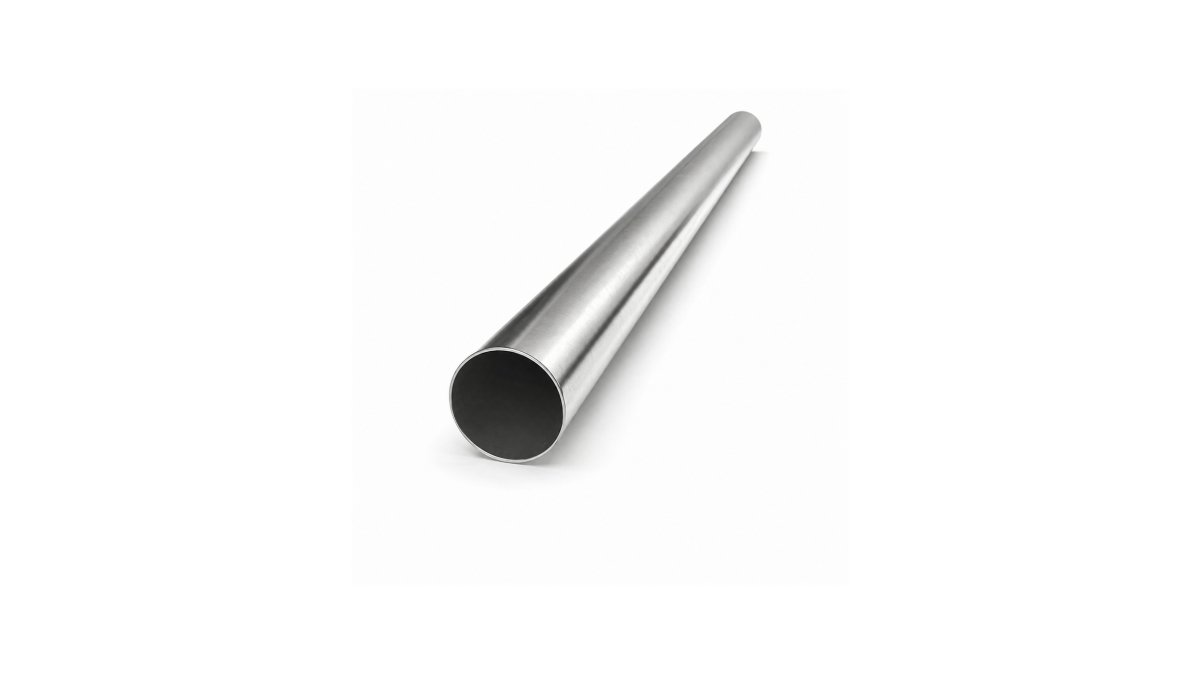
Valtech Australia supplies 316L stainless steel press-fit pipe and fittings using the M press profile.

For a 15 mm run, the core parts are straightforward:
- 316L Stainless Steel Pipe 15 x 1.0 x 5800
- 316L Stainless Steel Equal Coupling 15
- 316L Stainless Steel 90° Equal Elbow 15
- 316L Stainless Steel Equal Tee 15
Stainless steel is not the right answer for every water chemistry. Where chlorine, chloride or aggressive water quality may affect suitability, assess the application conditions and follow Valtech's technical requirements before specifying.

Working Around Occupied Tenants and Live Services
Occupied buildings change the sequence, not the method. Tenants stay open, services stay live, and the work still has to happen.
Plan the sequence around the tenants:
- Isolate only the section being worked on
- Confirm the isolation point and tag it
- Do the press joints first, then test
Cold work removes the biggest disruption of all: the fire watch and the area shutdown. That alone can turn a night shift into a day job.
316L Stainless Steel Pipe 15 x 1.0 x 5800 →
Hot-Work Risk Assessment Construction Sites Actually Use
A hot-work risk assessment is a written check of what could catch fire, who is exposed and what controls will be in place before the task starts.
A workable assessment covers:
- What the task is and where it happens
- What flammable material is within range, including hidden voids
- Whether a fire watch is needed and for how long
Work health and safety duties sit with the person conducting the business or undertaking, and site fire plans sit on top. Check the site's own rules before assuming a standard approach will be accepted.
The Hot-Work Permit Plumbing Workflow, Step by Step
A hot-work permit is a written authorisation to carry out a task producing flame, heat or sparks, issued by the site before work begins. On commercial sites it is usually tied to the fire plan, isolation plan and site WHS rules.
- Identify the task and confirm whether it is genuinely hot work. Soldering, brazing, grinding, welding and abrasive cutting all trigger a permit on most sites. So can heat guns and blowtorches used to free seized fittings.
- Check whether a cold-work method removes the need entirely. This is the step that saves the most time. If a press-fit joint, mechanical coupling or component swap does the same job, the permit disappears.
- Complete the risk assessment and list the controls. Cover combustibles, concealed voids, firefighting equipment, fire watch duration and what happens when the task pauses.
- Apply for the permit and name the competent person. The permit should name who is doing the work, who is supervising it, and who authorises it.
- Confirm the isolation plan. For plumbing work, the permit and the isolation are linked. Confirm the isolation point, tag it, and record the time the supply was shut off.
- Set up the area. Clear combustibles, fit fire blankets, position extinguishers, and protect voids and penetrations.
- Brief the crew and confirm PPE. Include the fire watch role and the stop-work triggers.
- Do the work under supervision. If conditions change, new combustibles, a change in scope, a failed control, stop and reassess.
- Fire watch during the task and for the required period after. Follow the site's stated watch period. Do not shorten it to save time.
- Inspect the area and sign the permit off. Check hidden spaces, ceiling voids and floor cavities. Confirm the area is cold before leaving.
- Restore the service and record the outcome. Record the isolation and restoration times, the test result, and close the permit.
Steps 2 and 3 are where most jobs can be redesigned. If a press-fit joint does the same job, the permit disappears, along with the fire watch, area shutdown and waiting.
Who Approves, Who Supervises and Who Can Stop the Work
On most commercial sites the permit is approved by the site's nominated authority, often the principal contractor, building manager or fire safety officer. The plumbing contractor supervises the task and provides the competent person.
Stop-work authority matters. Anyone on the crew should be able to stop the task if a control fails, combustibles appear, or the fire watch cannot be maintained.
Plumbing-Specific Permit Conditions to Check
Plumbing hot work carries conditions general permits often miss. Before the permit is issued, confirm:
- The isolation point and who controls it
- Whether the area can be drained before the task
- Whether the pipe contents are known and safe to heat
If the permit does not cover the full scope, apply for an extension before starting. A permit that expires mid-task forces a stop and a re-application.
Documentation and Close-Out
A permit is not closed when the torch goes out. Close-out usually requires:
- A post-work inspection of the area, including hidden spaces
- Confirmation that the area is cold
- The fire watch period recorded
Keep the permit, risk assessment and close-out record together. If the site is audited, or there is an incident, those documents prove the controls were in place.
When Hot Work Cannot Be Avoided: Fire Prevention and Controls
Some tasks still need a torch. Welded supports, certain brazed connections and conditions outside a press tool's reach can force hot work, so controls must be tight.
The core controls are consistent:
- Clear combustibles from the area and protect what cannot move
- Use fire blankets and thermal barriers on voids and penetrations
- Keep extinguishers and a hose reel within reach
Timing matters. A fire watch ending the moment the torch goes out misses smouldering risk in insulation and dust. Follow the site's required watch period and never shorten it to save time.
Verification, Documentation and Handover
Verification turns a completed job into a signed-off job. It covers the joint, the test and the record.
For press-fit work, that means:
- Visual check that the fitting is fully inserted and the press mark is visible
- Pressure test to the specification
- Record the test result, date and the person who ran it
For Valtech Australia products, WaterMark documentation is supplied by Valtech, and the applicable model should be confirmed in the current certificate schedule. Valtech also offers trade pricing for plumbers and contractors through a trade account registration, and can provide commercial plumbing project quotations.
The paperwork is not the boring part. It proves the job was done right, and protects the contractor when the next inspection lands.
Frequently Asked Questions
What counts as hot work in commercial plumbing?
Hot work covers any task that produces flames, sparks or enough heat to ignite surrounding material. On a plumbing site that includes soldering copper, brazing, welding, thermal cutting, grinding and the use of blowtorches for tasks such as thawing or heating pipework. Because these tasks carry an ignition risk, most commercial sites treat them as permit-controlled activities, which means sign-off before work starts, fire watch during the task and a check of the area afterwards.
How can commercial plumbers avoid hot work when joining pipework?
The main route is choosing mechanical joining methods instead of heat-based ones. Press-fit systems, compression fittings and grooved couplings join pipe without a flame, so no hot-work permit is triggered. Valtech Australia supplies 316L stainless steel press-fit pipe and fittings in the M press profile, WaterMark certified under WM 75254, with a 25-year product warranty subject to the warranty terms, correct installation and appropriate application. Confirm suitability for your water chemistry and site conditions against Valtech's technical requirements before specifying.
Can press-fit pipework reduce hot work during a plumbing installation?
Yes, where the pipe material and system suit the application. Press-fit removes the flame from the joint itself, so the permit, fire watch and standby requirements attached to soldering or brazing usually fall away for that portion of the work. Cold-work alternatives for plumbers also reduce downtime in occupied buildings, since there is no need to isolate fire systems or clear the area. Check the current WaterMark certificate schedule and installation documentation for the specific product before you commit.
What should a hot-work risk assessment cover?
A workable assessment names the task and location, identifies combustible materials within the work radius, and records how they will be removed or protected. It should cover ventilation, firefighting equipment, the fire watch arrangement and how long the watch continues after the task ends. On commercial sites, add the permit conditions, the isolation of detectors if applicable, and who authorises the work. Keep it specific to the actual area rather than reusing a generic template, and record the sign-off.
Commercial plumbing jobs rarely fail on skill. They fail on access, permits and downtime. Valtech Australia supplies WaterMark certified 316L stainless steel press-fit pipe and fittings under WM 75254, using the M press profile, with a 25-year product warranty subject to the warranty terms, correct installation and appropriate application. Register for trade pricing or request a commercial project quotation, and get the flame-free work moving.